

Low porosity hair can be challenging to manage, but understanding what is good for low porosity hair is the first step in creating a care routine that keeps your hair healthy and hydrated. In this guide, we’ll explore everything you need to know about low porosity hair and how to take care of it properly.
Understanding Hair Porosity
- High Porosity Hair: Hair porosity describes how effectively your hair absorbs and holds moisture. Following are three types of hair porosity:
- Low Porosity: The hair cuticles are tightly packed, making it difficult for moisture and products to penetrate the hair shaft.
- Normal Porosity: Hair that absorbs and retains moisture well without becoming too dry or greasy.
- High Porosity: Hair that absorbs moisture easily but struggles to retain it, often leading to dryness.
What is Low Porosity Hair?
Low porosity hair has tightly sealed cuticles that act as a barrier to moisture. While this may sound beneficial, it actually makes it harder for water and products to penetrate the hair shaft, leading to dry, brittle hair if not properly managed.

How to Identify Low Porosity Hair
- Water beads on the surface of your hair rather than absorbing.
- Products often remain on the surface of your hair rather than being absorbed
- Your hair takes a long time to dry.
Challenges of Low Porosity Hair
One of the main challenges for low porosity hair is the difficulty in moisturizing it effectively. Since the cuticles are tightly packed, it can be hard for moisturizing products to penetrate the hair shaft. This often leads to product buildup, where conditioners, oils, and serums sit on top of the hair, making it feel greasy but not moisturized.
Importance of Proper Care for Low Porosity Hair
Proper care is essential for low porosity hair. Using the wrong products can lead to buildup, dryness, and dullness. Over time, neglecting the right routine can cause breakage and long-term damage. That’s why it’s important to understand what is good for low porosity hair and stick to a routine that promotes moisture and health.
What is Good for Low Porosity Hair?
For low porosity hair, lightweight, water-based products are key. These products penetrate the hair more easily, providing the moisture your hair needs without causing buildup. Products that are heavy, such as thick oils or creamy conditioners, are less likely to absorb and will sit on the hair, leading to a greasy feeling.
1. Best Hair Products for Low Porosity Hair
Here are some product categories that work well for low porosity hair:
Shampoos and Conditioners: Look for sulfate-free, lightweight formulas that won’t strip your hair but will still cleanse effectively.
Clarifying Shampoos for Low Porosity Hair
Clarifying shampoos are essential to remove product buildup from low porosity hair. Since products don’t absorb well into low porosity hair, they tend to accumulate on the surface. Use a clarifying shampoo every 4-6 weeks to keep your scalp and hair clean.
Leave-in Conditioners: Water-based leave-ins are ideal, as they help lock in moisture without weighing down your hair.
Lightweight Oils: Oils such as argan or grapeseed are great for sealing in moisture without causing buildup.
- Argan Oil: This oil is lightweight and easily absorbed, making it perfect for low porosity hair.
- Grapeseed Oil: Another light oil, it seals in moisture without weighing down your hair.
2. Moisturizing Techniques for Low Porosity Hair
To effectively moisturize low porosity hair, consider the following techniques:
- Use heat: Applying gentle heat, such as a warm towel or steam, helps open the cuticles and allows your products to penetrate more deeply.
- Water-based products: Always prioritize products with water as the first ingredient to ensure you’re getting real moisture.
3. Deep Conditioning Tips
Deep conditioning is vital for low porosity hair. Since this hair type struggles to absorb moisture, a good deep conditioning routine helps to infuse hydration into the hair shaft.
- Frequency: Deep condition at least once a week. If your hair is feeling particularly dry, consider increasing the frequency to twice a week.
- Use heat: Again, heat is your friend here. Use a steamer or sit under a hooded dryer to help your deep conditioner work better.
4. Avoiding Protein Overload
While protein treatments can be beneficial for some hair types, low porosity hair is prone to protein overload. Too much protein can make your hair stiff and prone to breakage.
Signs of Protein Overload
- Dryness and brittleness
- Stiff, straw-like hair
- Increased breakage
5. Protective Styling for Low Porosity Hair
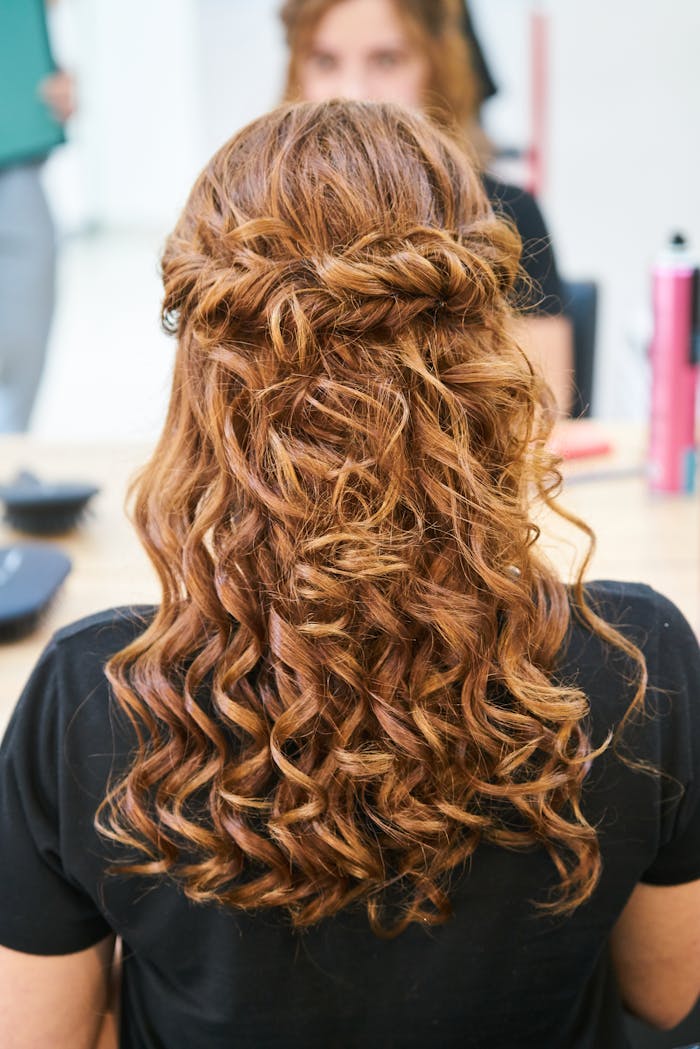
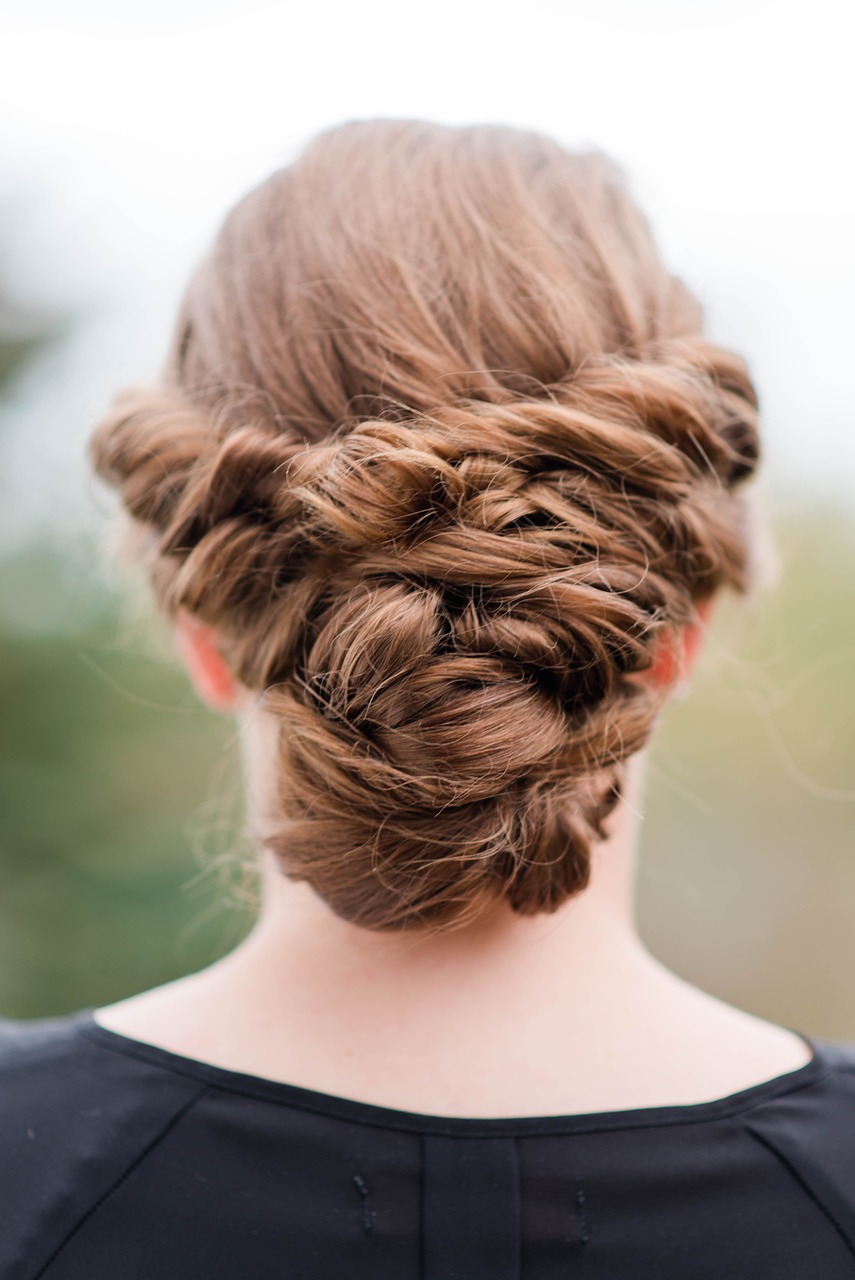
Protective styles such as braids, twists, and buns are great for low porosity hair. They help retain moisture and prevent breakage. Make sure to keep your scalp moisturized and avoid styles that are too tight, as they can cause tension and damage.

Daily Hair Care Routine for Low Porosity Hair
A consistent hair care routine is key to maintaining healthy low porosity hair. Here’s a simple daily routine:
- Cleanse: Use a gentle, sulfate-free shampoo once a week.
- Condition: Follow with a lightweight conditioner to lock in moisture.
- Moisturize: Apply a water-based leave-in conditioner or spray daily.
- Seal: Use a lightweight oil to seal in moisture.
Summing Up
Caring for low porosity hair may require a bit of extra attention, but with the right products and techniques, you can maintain healthy, hydrated hair. Remember to avoid heavy products, use heat to your advantage, and clarify regularly to prevent buildup.